



StopTheBurn®
Making invisible pressure visible — before it affects performance.
StopTheBurn® is not a wellbeing initiative.
It is a data-driven early-warning system designed to help HR and leadership detect
hidden pressure, disengagement, and burnout risk before performance, culture,
or retention are affected.
Built on insights from
63+
62,000+
Surveyed Employees
Organizations

THE ORGANIZATIONAL REALITY
In most organizations:
Stress builds quietly
Engagement erodes gradually
Burnout appears late
Attrition looks “sudden”
Leaders react after damage is done
In reality, performance rarely collapses overnight.
It slowly degrades under sustained pressure — while people remain busy, professional, and outwardly functional.
In most organisations, these patterns remain invisible because pressure does not appear in traditional reports or dashboards.
Daily emotions
Stress, worry, recovery, the mental and emotional state people bring into work each day.


Engagement
Clarity, enablement, recognition, growth, and voice - interpreted in context, not in isolation.
Cumulative stress, exhaustion, spillover into personal life, and how supported people actually feel.
Burnout risk




The StopTheBurn® Wellbeing Audit is a structured, confidential diagnostic designed for busy organisations.
▸ Anonymous employee survey
▸ 10–15 minutes per participant
▸ Science-based questions
▸ GDPR-compliant
▸ Designed to minimise disruption
The audit is designed to support leadership decision-making
— not to measure satisfaction or sentiment.
THE LEADERSHIP & HR BLIND SPOT
In many organisations:
Leaders rely on anecdotes
HR data is lagging
Exit interviews come too late
Issues surface only when critical
Pressure signals are fragmented across teams
As a result, pressure is rarely discussed early or clearly.
It remains spread across conversations, teams, and symptoms, without a single, trusted picture leaders can act on.
In most organisations, this means pressure is detected only after it becomes expensive, through disengagement, attrition, or leadership fatigue.
Together, these dimensions reveal where pressure is already affecting focus, energy, decision-making, and execution — even when performance still looks “normal”.
StopTheBurn® makes invisible pressure visible before it becomes costly.

VALUE FOR LEADERSHIP
StopTheBurn® gives leadership earlier visibility into pressure — so action happens before performance, culture, or retention are affected.
Leaders gain:
▸ Earlier risk detection
▸ Better-informed people decisions
▸ Clearer prioritisation of action
▸ Fewer surprise issues or attrition
▸ Greater confidence under pressure
OUTPUT & REPORTING
Within a short timeframe, HR and leadership receive:
▸ Executive-ready reporting
▸ Clear patterns, not raw data
▸ No individual identification
▸ Practical, prioritised insights
The output is designed to help HR and leadership teams prioritise action, not interpret datasets.
VALUE FOR THE ORGANIZATION
Rather than reacting late to burnout, disengagement, or attrition, the organisation can address root causes before they affect delivery, culture, or results.
This results in:
▸ Stronger, more sustainable engagement
▸ Reduced burnout risk across teams
▸ Clearer trust signals and alignment
▸ A measurable baseline for action
▸ More predictable people outcomes
The process does not stop at data.
StopTheBurn® includes interpretation and advisory support — helping leaders understand why patterns exist and what needs to change in routines, expectations, communication, and leadership behaviours.
Data is only useful when it leads to leadership action.
Case Study: Reducing Stress and Boosting Engagement in the Financial Sector


The Situation
We worked with a financial services organisation operating in a consistently high-pressure environment, where expectations remained high and performance targets were being met.
On the surface, teams appeared to be functioning well. However, beneath day-to-day delivery, stress and emotional load were quietly accumulating. Employees were coping, but often at the cost of energy, focus, and emotional resilience.
Early warning signs began to emerge:
▸ reduced energy and mental clarity
▸ limited openness around workload and pressure
▸ emotional fatigue that was becoming normalised
▸ engagement softening gradually rather than collapsing suddenly
Leadership and HR sensed that something was shifting, but lacked clear, evidence-based insight into where pressure was building and how to intervene without lowering standards or disrupting performance.


The Approach
To gain clarity, we conducted the StopTheBurn® Employee Wellbeing Audit, designed to make invisible stress and emotional load visible before burnout and disengagement take hold.
The audit provided leadership with:
▸ a clear picture of how stress was experienced in everyday work
▸ early indicators of burnout risk forming beneath ongoing performance
▸ insight into why engagement results looked the way they did
▸ a practical foundation for informed, targeted action
Based on the findings, we delivered two focused, complementary interventions:
▸ to support immediate emotional regulation and clarity
▸ to strengthen sustainable daily routines and resilience
Managers were supported to engage in more constructive conversations around pressure and workload, respond earlier to signs of strain, and maintain accountability while increasing psychological safety.
The Results (within 3 months)
Within three months, the organisation observed measurable and meaningful improvements:
▸ Engagement and energy levels increased by over 20%
▸ Burnout risk indicators reduced by 18%
▸ Employees reported feeling more supported and more comfortable raising workload concerns
▸ Leaders expressed greater confidence in
addressing stress early and constructively
▸ HR observed a shift toward openness, trust, and shared responsibility for wellbeing
Rather than reacting to stress once performance was already affected, the organisation moved toward preventative, informed leadership action — strengthening team resilience and sustainable performance.
The organisation developed a shared understanding of stress management and practical daily habits, allowing leaders and teams to apply consistent approaches to managing pressure in the flow of everyday work, rather than relying on ad-hoc or reactive responses.
Biggest Drivers of Stress
1 - Lack of support or recognition from leadership.
2 - Poor communication and lack of empathy.
3 - Unrealistic deadlines & results expectations
What would quietly quitting private individuals change?
1 - Company Culture and Engagement
2 - Pay and Benefits
3 - Company Wellbeing and Better Management
Every year, 2 out of 3 people will suffer from burnout
91% of employees report that stress negatively impacts their work
40% of employees leave their job because of burnout
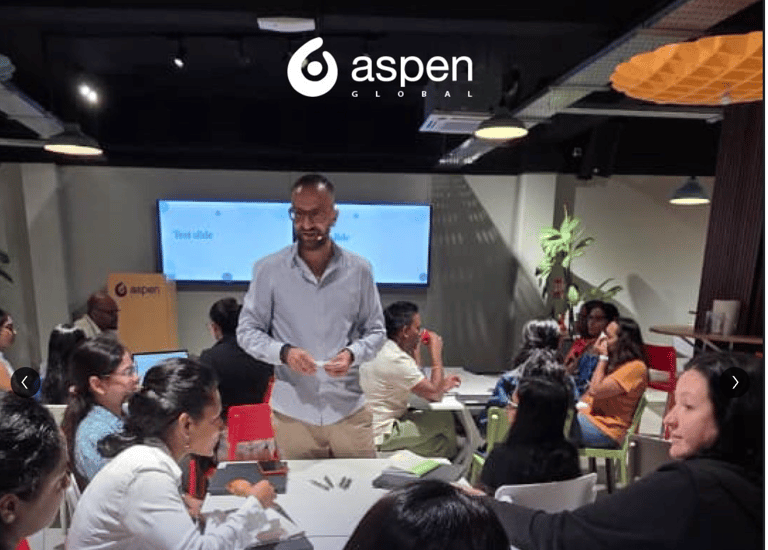
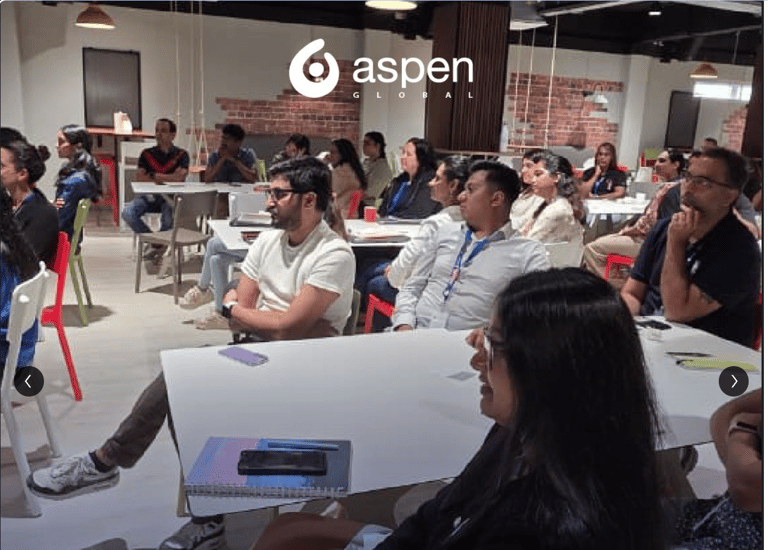
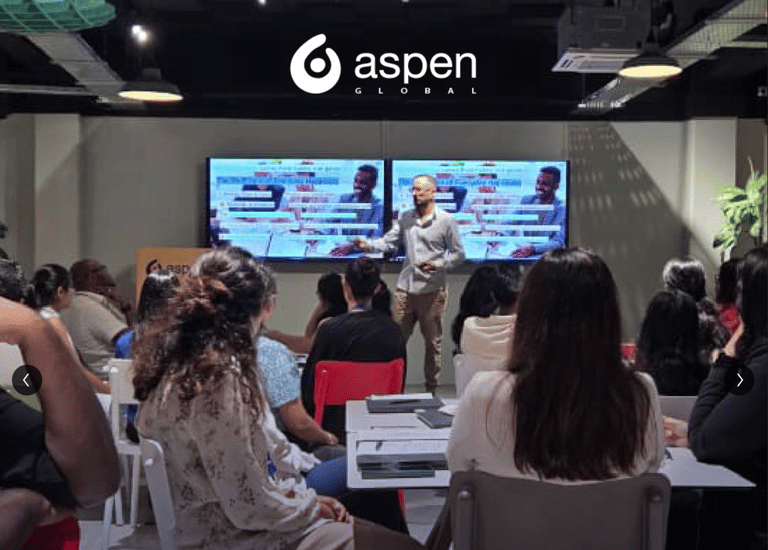
Workshops & Trainings



Discover more:
